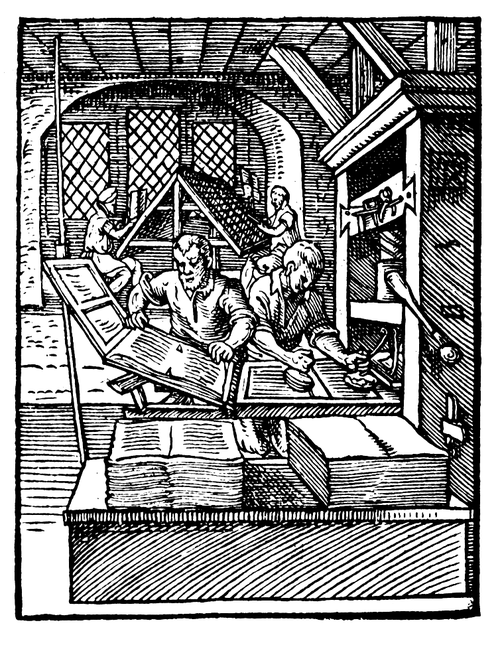
Sequels, they surely date back to the beginnings of civilization, probably to days of oral stories told around campfires. Sequels can be found in early literature: The Odyssey to The Illiad, for example. In the 15th century, the printing press was invented and stories became more widely distributed. There was little in the way of copyright protections for early authors then, and sequels took on an early legal role in helping original authors retain copyrights. Lineages, such as The Three Musketeers, Alice in Wonderland, The Wizard of Oz, Sherlock Holmes, etc., all stem from such a time.
The word, sequel, can thus apply to any continuation, but there is no denying that sequels are ingrained within movie culture. For anyone who grew up in recent decades, movie sequels are an unavoidable aspect of entertainment. For me personally, the concept of a sequel originally came with inescapable negativity. At least, it seemed most adults scoffed at the mere mention of a sequel.
The world saw the first movie sequel based on some controversy. The Birth of a Nation (1915) was originally called The Clansman after all, and the film is considered little more than propaganda today. The first movie sequel followed with The Fall of a Nation (1916), which is considered a pretty insufferable watch.
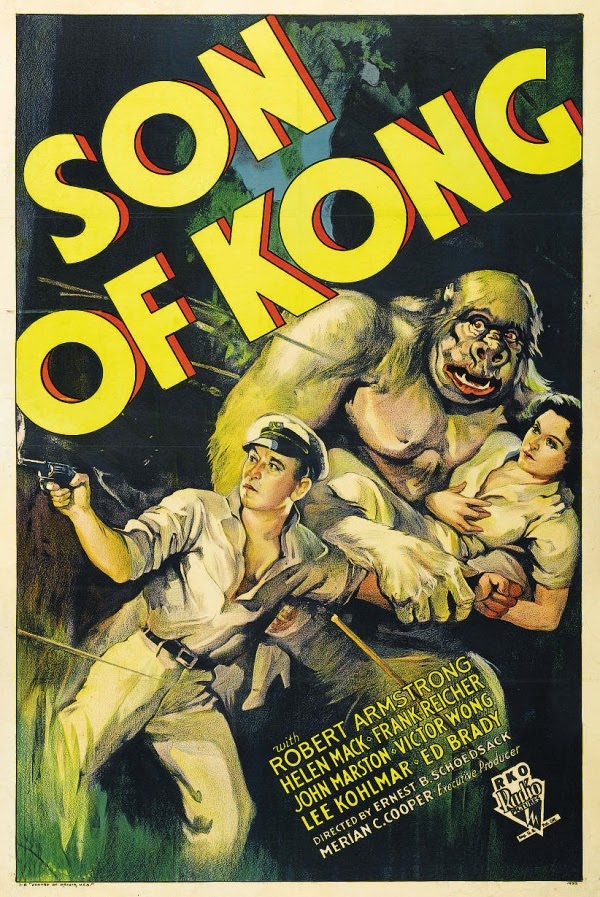
The early movie industry seemed to see a potential for sequels though, particularly for notable characters. There were some movie sequels in the 20s, with Zorro probably the most recognizable name, and the 30s featured a lot of famous sequels, many in the form of monster movies. Among such were King Kong, Frankenstein, and Dracula. The 30s had Tarzan sequels and The Thin Man in detective movies with varying titles.
The 30s were the first decade with a true gluttony of movie sequels. There were several crossover movies too, particularly bringing monster characters together, and later, combining monsters with comedians like Abbott and Costello. Then sequels petered off as if they had been nothing but a fad. US moviemakers stepped away from sequels so much so that many sequel-based milestones happened abroad.
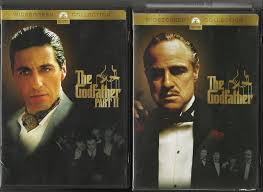
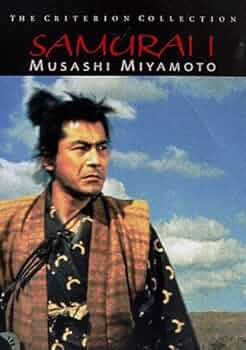
The numbering system of movies first happened in Japan, with Samurai 1, 2, and 3 (1950s), also cited as the first movie trilogy. The Pink Panther series released in the UK in the 60s, and to even more acclaim, James Bond movies began. Italian made westerns were often followed up with sequels. Basically, international moviemakers began mastering the art of sequels. Although sequels never fully left Hollywood, they would once again pick up steam, and sometimes critical acclaim, in the 70s. To name a few, there was The Godfather, Superman, Rocky, Halloween, Dirty Harry, and Shaft. Most these movies had more than one sequel, and of course, some were filmed with the intention of a story spread across multiple movies.
By the 1980s, the US was hitting some commercial and economic explosions. For one, VCRs and VHS were changing the movie-landscape. Movie tie-in-merchandise became a big deal, and cable TV helped entertainment across previous regional restrictions. With merchandising and potential to make money through ticket sales, rentals, and VHS sales, the movie scene became a different beast. And this was also the decade where I grew up. I had a front-row-seat, and sometimes a stake, in the whole game of sequels. But I’ll get to that in a second.
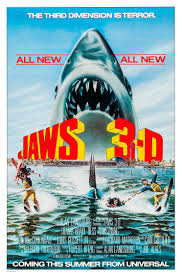
Even a poor sequel to a great movie was bound to make money. The problem became that many sequels seemed to forego the art of moviemaking for the intention of making money. Take Star Wars, for example. The Empire Strikes Back is as good, arguably better, than A New Hope. Then look at Jaws 2, which featured a shark once again terrorizing beachgoers in summer. It brought little else to characters involved, but made enough money to rehash the story multiple times, with every additional sequel getting worse.
Signature movies of the time often declined into terrible sequels. Look at horror movies, with Friday the 13th, A Nightmare on Elm Street, and Halloween all exploiting popularity. Even the once praised Superman franchise ran itself into the ground. As much as I liked Rocky movies as a kid, the story quality between the first and fourth was undeniably lacking. Of course, some sequels were good enough to believe the creators could keep striking gold. The Karate Kid 2 was a fairly phenomenal sequel, and my hopes would thus stay high for an eventual third movie—which then shit on my same hopes. (The same scenario happened with Alien, Aliens, Alien 3). Then again, trilogies were often cited as exceptions. Indiana Jones and Back to the Future seemed to nail all three movies, more or less.
Some movies, like Conan the Destroyer, aimed for a more family friendly approach for the sequel, thus often ruining what was great about the original. Surely, the idea of selling toys and merchandise played a role in this. Sometimes studio executives became overly involved with creative input, Robocop 2 being one such film, and many differing ideas created an overall, convoluted and shitty sequel.
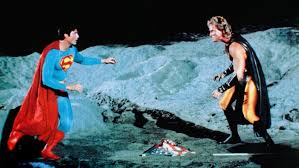
I can’t even tell you just how hyped up a kid like me—who repeatedly watched The Never Ending Story—was for that utterly awful sequel. What I’m saying is that during this time, sequels had real contrast, and it was difficult terrain to navigate. The mere mention of a sequel could set people off onto tangents on how terrible all sequels were. Imagine being a kid who wanted to go see such a sequel and trying convincing our parents to rent a sequel was often an real uphill battle.
When the 90s hit, there was hope on the horizon. Terminator 2 is often called better than the first movie. The Lost World could not live up to Jurassic Park standards, but it was decent. I would say the 90s still held a high level of skepticism when it came to bad sequels. Keep in mind that most people still didn’t have instant access to movie reviews on the internet. There were reviews back then, but it was difficult to gauge the opinion of critics on TV or in our local newspapers.
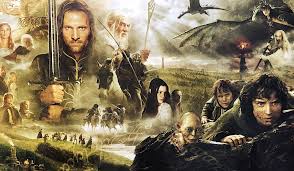
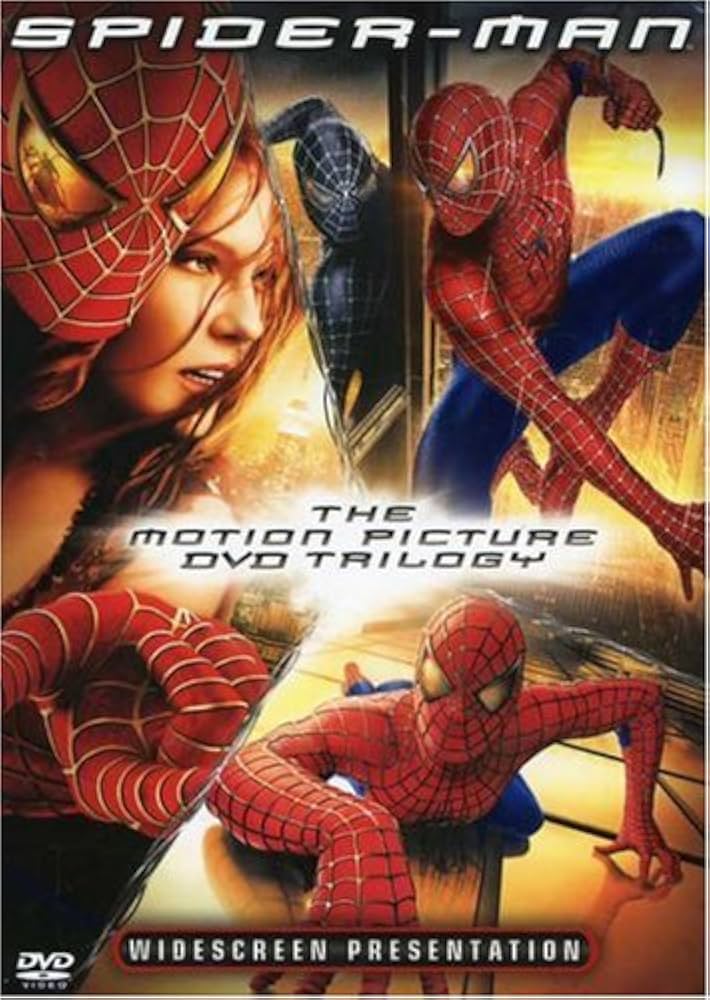
Still, movie studios were probably learning hard lessons about the disappointing payoff from bad sequels. Maybe fandom on the internet also helped, but the 2000s felt like the first time moviemakers seemed to nail sequels. For example, this decade had The Lord of the Rings trilogy, another, not quite as good Star Wars trilogy, superhero movie franchises such as Spider-Man, X-Men, and a new and more serious look at Batman. The Matrix got its long awaited sequels. Harry Potter movie adaptations began, and Pirates of the Caribbean started off strong. True, there were some not so great sequels, or predictable might be the word: things like Scream 3, the Final Destination franchise, Shrek something ever after, and sigh, Terminator 3.
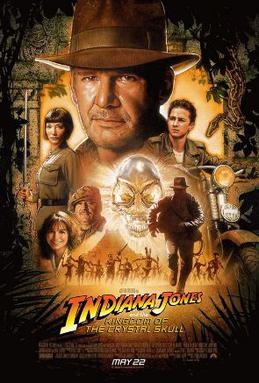
Yeah, I’d say sequels did shed their bad reputation, if for but a decade or two. With, the 2010s, the slew of superhero movies, an inferior Harry Potter franchise, The Hobbit, another Star Wars trilogy, more Jurassic Park, Indiana Jones, and Alien, the return of bad sequels just ran whatever conclusion I hoped to come to, straight into the ground. I guess the good reputation regarding sequels has once again returned to a real hit and miss scenario.
I guess the boomers were onto something regarding when I was a kid. If not approached from a place of continuing the art, then sequels seems bound to water down what once made the original great in the first place. A shame, because a good sequel can not just double the love people have for a first movie, but make that love grow exponentially greater.