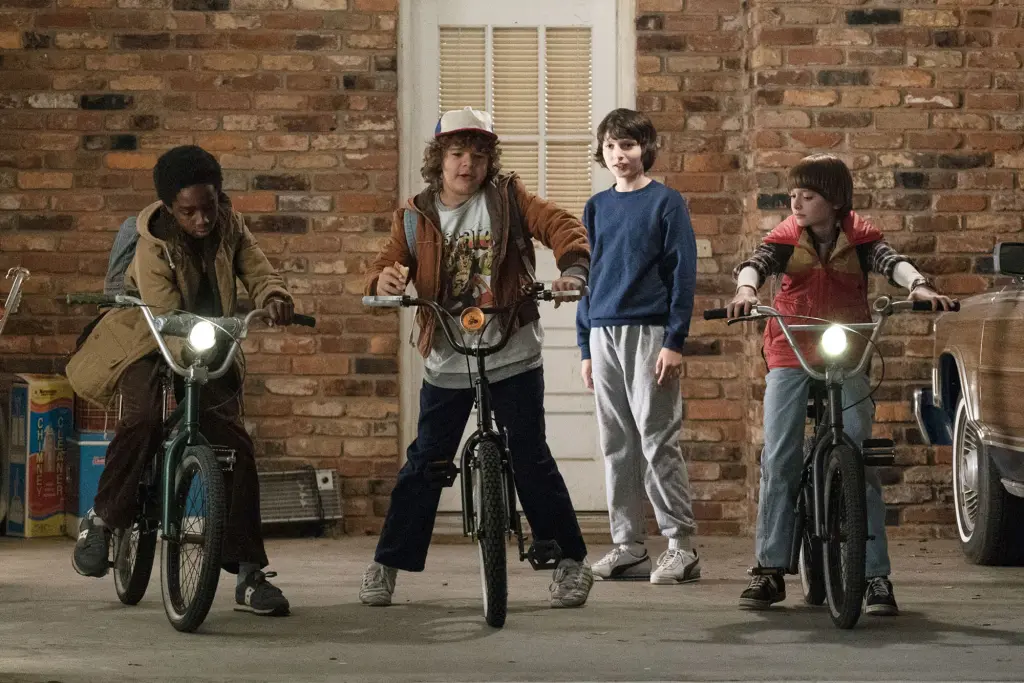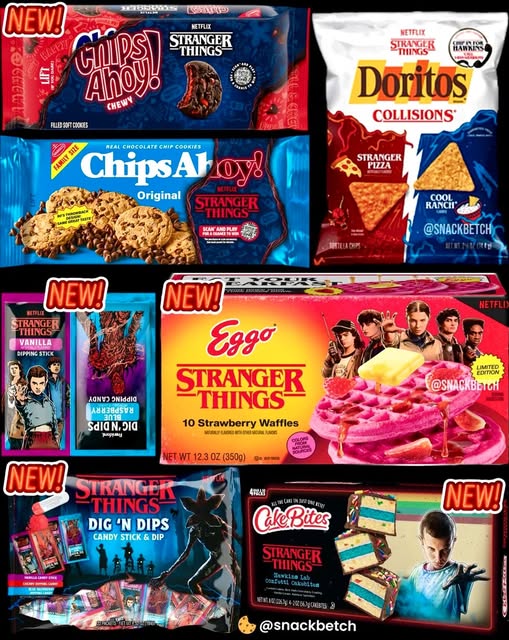
By the time of the third season of Stranger Things debuted, the series was such a popular phenomena that corporations were lining up to make retro packaging to appear within the show. Such collaboration helped give this show a unique authenticity, and allowed for a scene where a whole grocery store looked like an exact replica of the past. Even before exploding into pop-culture, Stranger Things managed an appearance so genuine that a kid who grew up in the 80s, like me, could be fooled.
I’d heard of Stranger Things on July 15, 2016, the day that season one appeared on Netflix. Not that seeing it early made my fandom special; I read a brief newspaper article about the show’s release. The paper mentioned the 80’s setting, even suggesting some main actors were, in less kind words, washed up 80’s stars. The mention of the synthesizer used for the opening theme was actually what caught my interest the most.
Most movies and shows which claim a setting from a prior time, do just that—they claim to be from that time. If trying to establish the 80s, this will usually mean there are some 80’s posters, a common magazine or two around, and clothing styles that hardly go beyond the neon and polka dots that had iconic popularity in the 80s. Sprinkle in some 80’s music, throw in common catch phrases, then perhaps have a TV on in the background featuring something like Dallas or Who’s the Boss. Such productions are 80s-ish, and honorable mentions here might be something like Super 8, and GLOW. They look very 80s, but they just don’t quite get that overall verisimilitude, a word that is defined as “the quality of appearing true or real.” And here, verisimilitude goes hand in hand with the overall quality of Stranger Things.
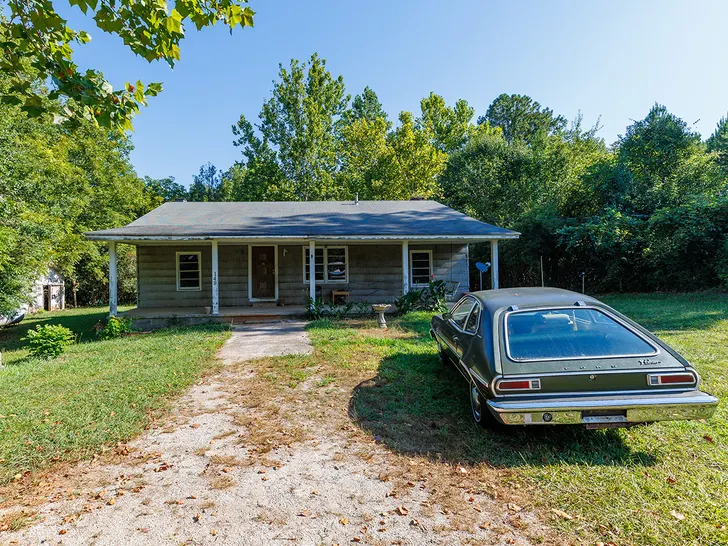
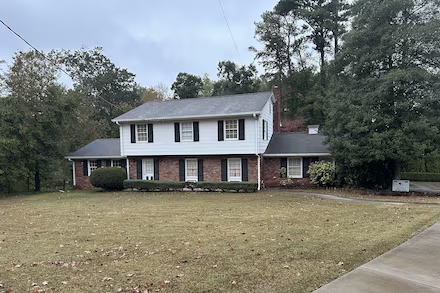
Let me break down some of the detailed approaches that Stranger Things took, and first up, I want to mention filming. Yes, modern cameras and production standards were used, yet some artful techniques made the production look older. For one, transitions between scenes are often in similar vein to classic styles. For instance, a scene cutting to a new location will often start outside a house. Any fan will know the Byers or Wheeler house in a split second. When inside, scenes often start broad, showing the full scope of say a room, or basement. During dialog the view will zoom in on characters, but the overall space and layout are often in themselves, characterized. While inside, the lighting needs a mention. Houses appear a bit dimmer, a bit gritty looking. True, the upside down is naturally dark, but most modern movies and shows tend to go for an overall sort of LED glow that permeates everything, and it can all look almost as generic as the lighting in a Walmart.
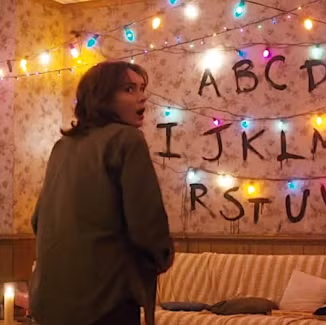
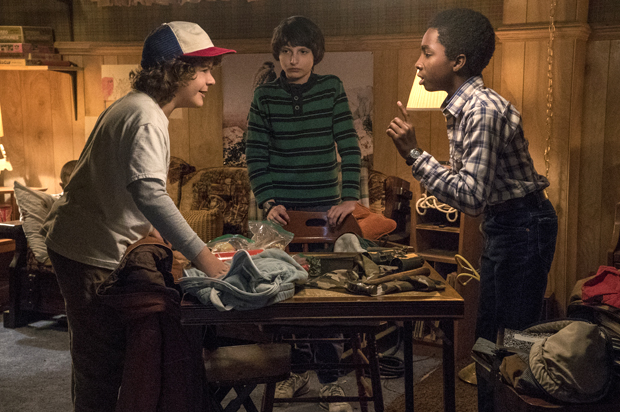
As for props, back in the 80s, it was common to pass around old furniture. Well, things were often built to last longer. The couch in the Wheeler’s basement looked similar to something my grandma had in her basement. At the Byers’ house, all the furniture looked like hand-me-downs. One of my favorite early scenes in season one was when Mike showed Eleven around in his house. Of course, this was reminiscent to the scene in E.T. where Elliot showed E.T. around his house. In a similar style, Mike pulled out old toys, and those were definitely vintage Star Wars figures. He even had bits and pieces of the odder and obscurer toys that used to permeate toy stores in the 80s. Upstairs in Mike’s house, Atari games sat on top of the TV. Videogames were in a bit of a hiatus in 1983, but most kids still had Atari systems sitting around. Also in the room, the family had two of the tiny wood paneled plastic VHS tape deck holders. These drawers were everywhere in the 80s.
The town of Hawkins itself, a whole town, appeared like a setting plucked straight from a bygone era. Apart from the look of older architecture, the bikes everywhere, the old cars, the overall outgoingness it all helped lend to the idea of this small genuine community. People tend to stick to themselves and their phones nowadays, so seeing Hawkins a little more outgoing was a nice touch. Although it eventually vanished later, I liked the general store where Joyce worked in season one. Melvald’s General Store very much resembled a small town store where providing necessities was often the greater goal than profit. And the lack of over-packaging items was a nice touch too, as not everything came in boxes back then.
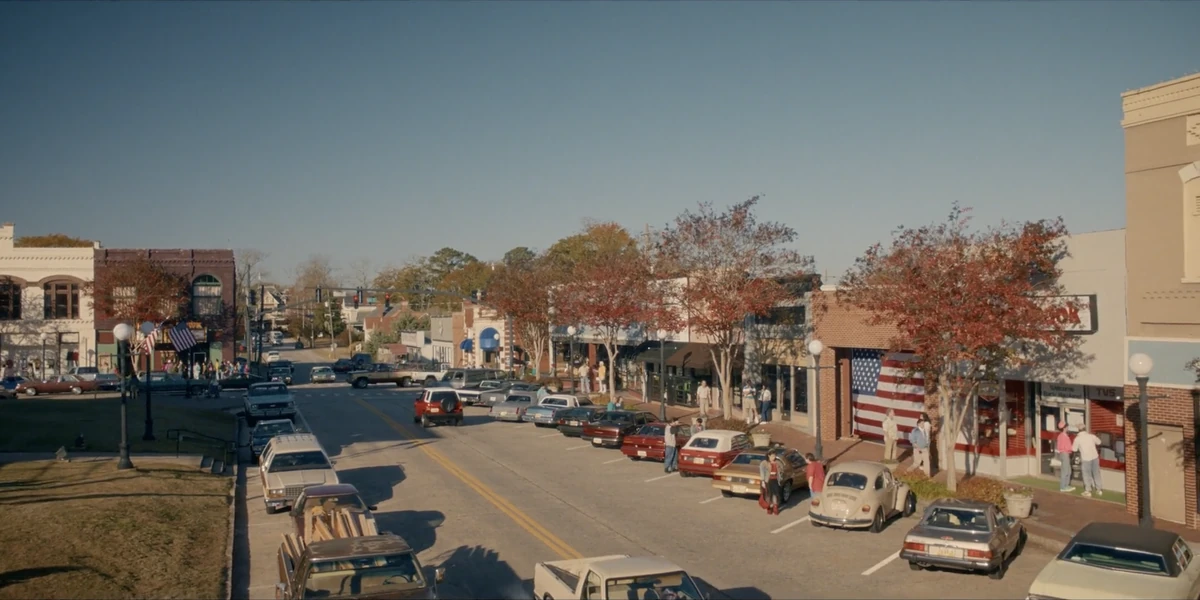
I could probably dissect props all day. The design crew obviously worked hard to obtain genuine items. They were said to have bought many set pieces from estate sales, probably often finding items that had sat in attics or basements for decades. Back to the automobiles, vehicles in the early seasons look mostly like leftovers from the 70s, unless of course belonging to one of the wealthier kids, like Steve Harrington. Around school, clothing and backpacks, the AV club room, even the maps and diagrams on walls, they just looked like educational materials from decades prior. Many settings and props only often grew even grander in later seasons. I loved all the scenes that took place in a genuine old mall with now defunct stores recreated for that extra authentic look inside Starcourt.
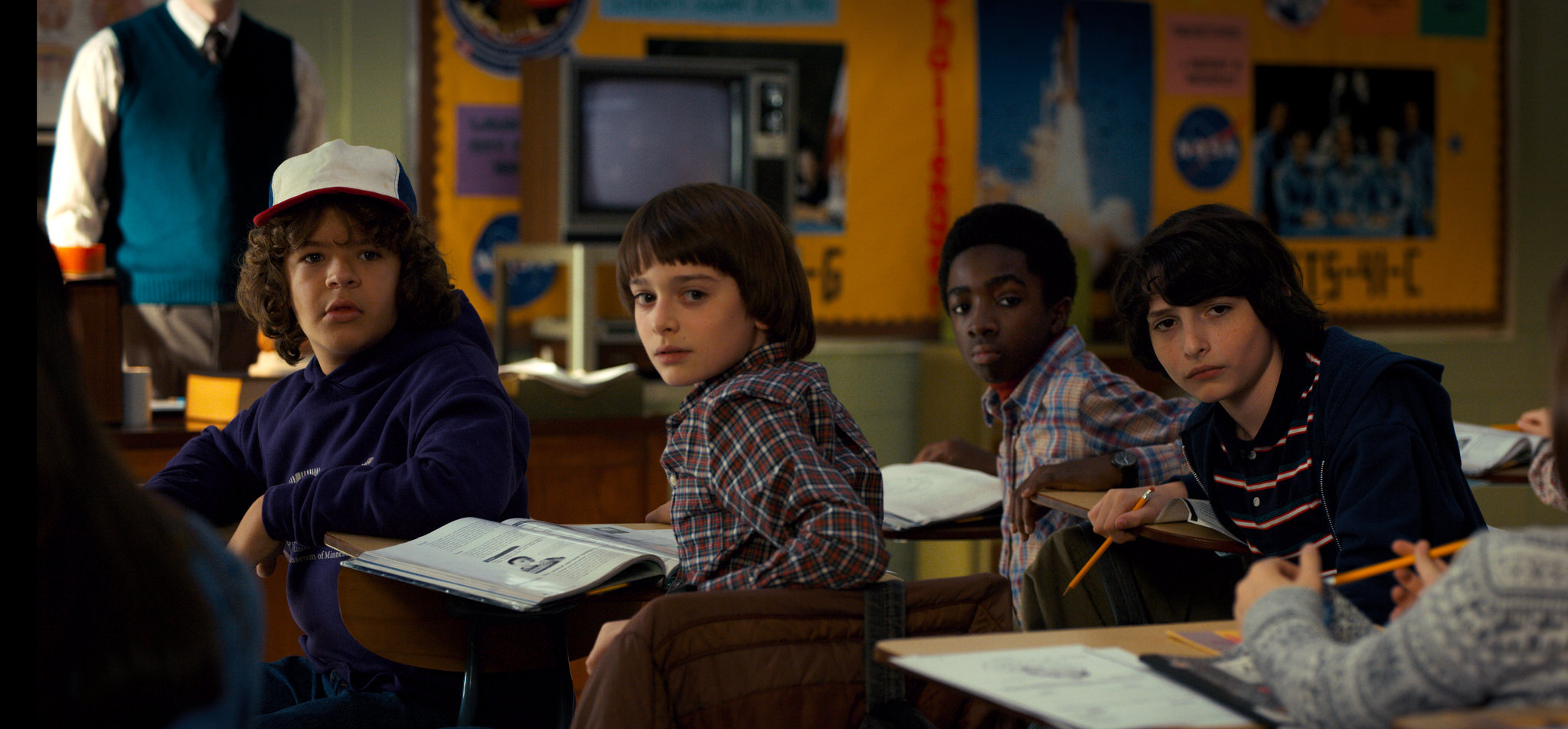

I must admit I don’t too commonly get excited by a wardrobe, but in Stranger Things, I saw articles of clothing that hit close to home. Sure, there may have been some clothes reproduced to look like older clothing, but just like the crew bought up old furniture, I imagine clothing was obtained in similar fashion. I don’t really see a lot of actors willing to climb into musty old clothes bought at estate sales, but I think many of the actors genuinely did this. For example, the Byers once again hit some notes for me here in that Joyce’s coat looked like what my mom once wore. Seeing a TV mom in something my mom wore wasn’t just nostalgic, it resonated with an emotional impact. There were other moments where I could point at the screen and say, I had that shirt. Such notable clothes were most common when that core group of kids wore their play clothes. Yes, clothing for school and play held contrast, and this was another great reminder of something more common to kids of this older generation.
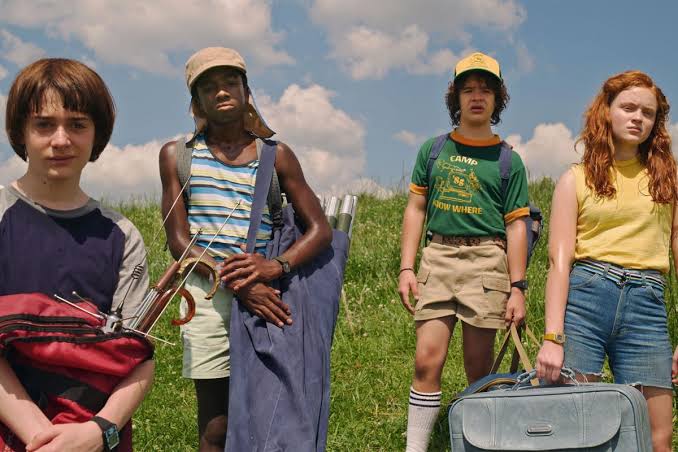
The show did well with dialogue. Characters weren’t prone to speaking the cliché catchphrases often referenced for the 80s. I always enjoyed when the kids referenced niche things from 80’s culture though. They speak of Star Wars, X-Men, and D&D to create the allegories for their own lives, but they don’t always overtly explain these things. Of course, the naming of villains from D&D creatures consistently fit in well. Dustin’s radio that he uses to contact Susie is called Cerebro, just like the device Professor Xavier uses to enhance his mutant powers.
Did the show have any mistakes in terms of the timeline? The answer is yes, of course. I wasn’t specifically trying to catch mistakes, but it seemed like most errors came in later seasons. For example, Robin’s story where she speaks of Whitney Houston as her first crush, it doesn’t line up in that Robin was a freshman well before Whitney Houston came to fame. The children’s speaking about the Nintendo in season 4 also seems highly unlikely, as the Nintendo originally only launched in test markets by early 1986, and only in select large cities. There were a few phrases the kids spoke that didn’t become part of common speech until technology, or societal happenings, pushed them to the mainstream later, but that’s getting really nitpicky. Heck, even most songs played in the show were timeline relevant, as most coincided both with their time period’s popularity and did not play in the show if their release was after the current timeline of the show. One big exception is that David Bowie’s song ‘Heroes’ was released prior to the show’s timeline, but the cover versions that played at various times were not recorded until much later.
Essentially, Strangers Things matched with the 80s so well that watching it felt like an immersive step into the past. I have to admit I often felt, well, although fooled isn’t the proper word, I think “transported” is fitting. I found myself thinking everything looked so genuine that perhaps the show was filmed decades prior, kept in a vault, and only released recently. Or maybe I just liked thinking of the show as so realistic that it seemed implausible to nail the era so perfectly. Then again, I guess the highest compliment from me, a guy who loves to dissect nostalgia, is to say that I felt genuinely transported into my past. The overall authenticity all created a layer of immersive depth that gave me, and probably many other viewers, just another reason to love the overall experience that was Stranger Things.